Table Of Content
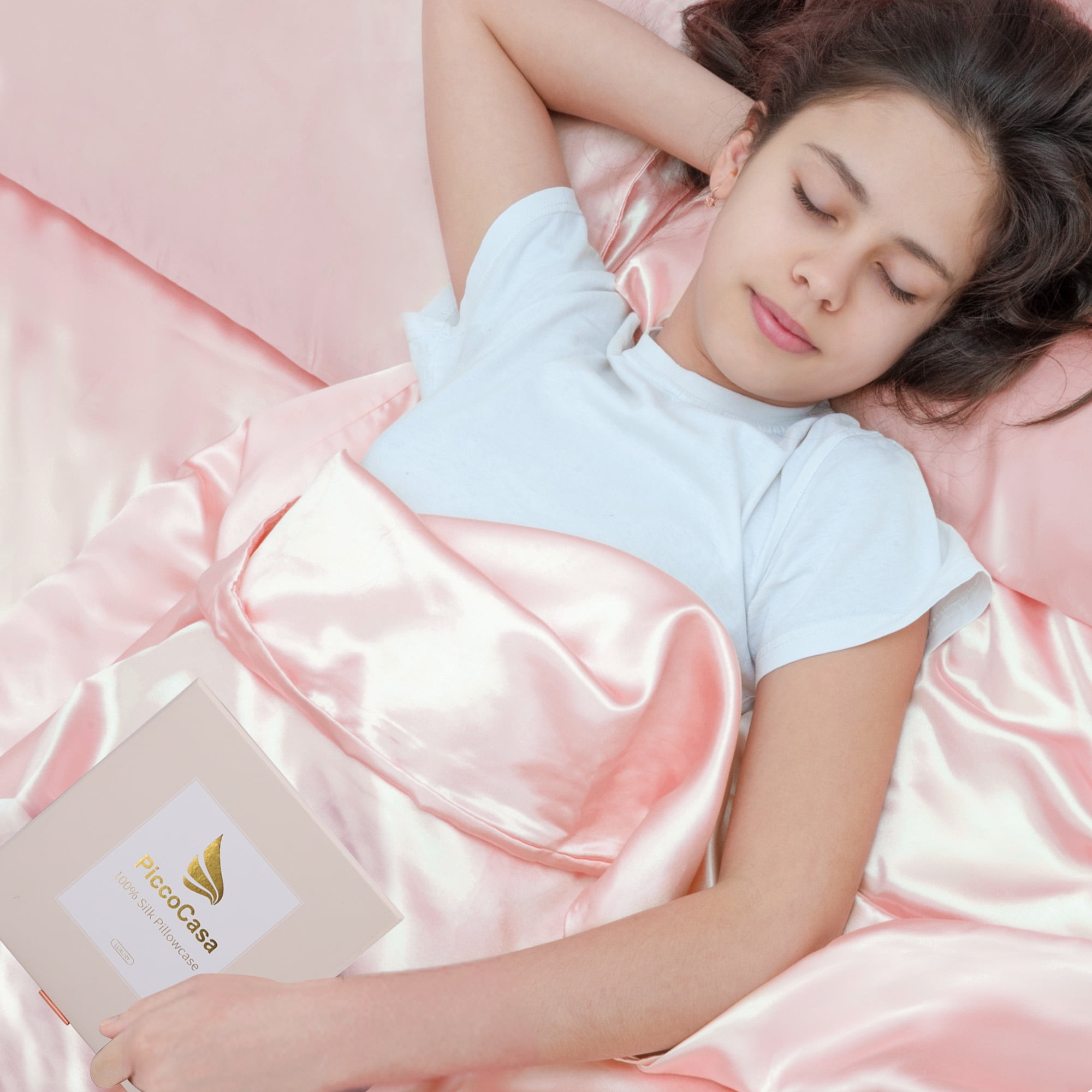
Satin and silk are kind of the same in a way—satin is technically a type of weaving rather than a type of fabric. At one point in time, satin was traditionally made from silk, but in the modern day, it's not uncommon to find blended satin mixtures that include synthetic fibers like polyester, rayon, and cotton. This silk pillowcase reduces the friction that hair cuticles are often exposed to during sleep, helping to minimize hair damage and frizz.
Slip Pure Silk Pillowcase
"Silk hair protectors like scarves or bonnets help reduce the friction caused by laying on a cotton pillow, which causes split ends, knotting, frizz, tangles, and hair damage," explains Bergamy. "Silk helps to keep the moisture in the hair, while cotton pillows or scarves absorb natural oils leaving hair dry and brittle." Though they’re designed to protect hair from damage, these satin pillowcases also benefit your skin. The slippery surface helps to reduce facial creasing, which can help reduce wrinkles over time.
8 Best Silk Pillowcases, According to Hairstylists - NewBeauty Magazine
8 Best Silk Pillowcases, According to Hairstylists.
Posted: Wed, 28 Feb 2024 08:00:00 GMT [source]
SHIPS SAME OR NEXT DAY
If you prefer satin because it better aligns with your budget, it's still a huge upgrade from a cotton pillowcase. If you're really concerned about the slight loss of moisture, Onuoha suggested giving your curls a quick oil treatment. According to The New York Times, silk is a natural fiber produced by insects to create their cocoons and nests. It was first developed in ancient China, and the silk trade started over 3,000 years ago.
What are the benefits of a silk pillowcase?
Additionally, if your pillowcase becomes visibly soiled or stained, it’s advisable to wash it promptly. They often need to be washed on a gentle cycle with mild detergents, and they should not be washed with bleach or fabric softeners. It allows air to circulate more effectively compared to other fabrics, which can help regulate body temperature while sleeping, reducing the chances of excessive heat or sweating. Rougher fabrics create friction against the skin, leading to irritation, redness, inflammation, and discomfort. As a result, the skin experiences less compression and pressure on specific areas, which reduces the formation of sleep wrinkles. We’ll tell you what they can do, how they work, and why they work.
Helps maintain hairstyles while you sleep
Silk pillowcases are considered the gold standard for beauty sleep. If you want to be extra gentle on your hair and skin at night, consider investing in a silk pillowcase. The advantage of traditional cotton pillowcases is they’re easy to care for, clean, and maintain in good condition. With a little extra care, your silk or satin pillowcase can also remain in great condition for a long time. Silk pillowcases can be pricey, but you really only need one side to sleep on. This smart design has a 100% silk fabric on top with a cotton underside to make it more affordable.
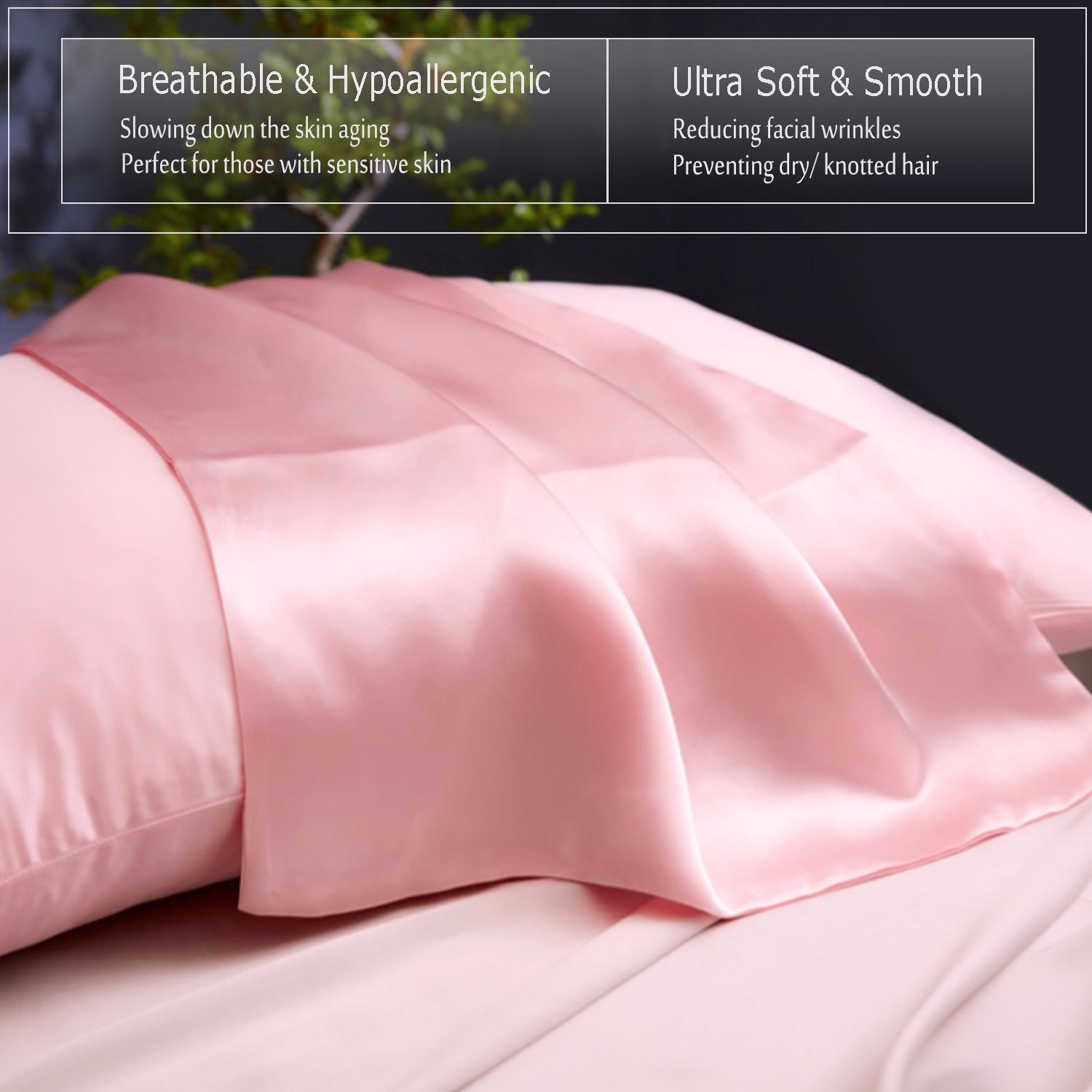
Allows you to stave off washes
She has over 15 years of experience in the consumer products industry and a degree in fiber science from Cornell University. Lexie serves as an expert source both within Good Housekeeping and other media outlets, regularly appearing on national broadcast TV segments. Prior to joining GH in 2013, Lexie worked in merchandising and product development in the fashion and home industries. A lower momme, like 19 momme, tends to be lightweight and has a lower price point, while a higher momme is considered high-quality silk and tends to be more durable.
So Many Celebs Use This Surprising Product to Prevent Wrinkles & Hair Shedding — & It’s Less Than $3 on Amazon - SheKnows
So Many Celebs Use This Surprising Product to Prevent Wrinkles & Hair Shedding — & It’s Less Than $3 on Amazon.
Posted: Tue, 30 Jan 2024 08:00:00 GMT [source]
For generations, African American women have used satin scarves to wrap and protect their hair at night. The wisdom extends to silk pillowcases, with celebrities like Cindy Crawford and Victoria Beckham jumping on the trend. Taylor recommends washing your pillow once per week to avoid bacteria and product buildup that could result from your evening skin and hair care routines. For those with sensitive skin, the MYK silk pillowcases are OEKO-TEX Standard 100 certified, which means the fabric is free of harmful chemicals. Though these pillowcases have a zipper closure, the zippers are well hidden on the sides and designed to blend in with the color of the fabric. Dry cleaning or handwashing is recommended, but machine washing is advisable with specific instructions.
That’s because silk is a natural fiber made from the larvae of certain insects, and the extraction process is labor-intensive. The fabric wicked moisture exceptionally well in Lab tests, which means it can help keep you cool throughout the night. Just note that the fabric wasn't as strong as others, and it was prone to wrinkles after laundering, so take special care with this one. This popular pick is one of the most searched-for silk pillowcase brands, and our testing showed it lives up to its hype.
Benefits of Sleeping on Satin Pillowcases for Your Skin
Rivera explains that since they're naturally less abrasive, silk pillowcases are great at retaining the hair's natural oils, keeping strands softer and more hydrated for longer. Both silk and satin pillowcases look high-end and feel like you're sleeping on a luxurious cloud, but which one is better for your hair? Silk is hypoallergenic and less absorbent, preventing the trapping of oil or bacteria on the pillowcase, which benefits the skin and complexion as well.
Over time, the satin fabric can be prone to snagging and pilling, which may make it show signs of wear and tear and reduce its life span, necessitating more frequent replacements. Also, as previously mentioned, satin isn’t as absorbent as cotton, so it won’t absorb moisture from your skin and subsequently cause dryness. Additionally, sleep wrinkles can form when you sleep on your side or stomach on a cotton pillowcase. This means they can help your hair retain moisture, keeping it hydrated to prevent dryness and promote softer, healthier locks. Nowadays modern satin can be made from various materials, including polyester, rayon, and blends of different fibers.
Lexie Sachs is the executive director of the Textiles, Paper & Apparel Lab at the Good Housekeeping Institute, where she oversees all bedding evaluations. She has been hands-on testing silk pillowcases since they became popular in the U.S. in 2016, and has since tested dozens of real silk and synthetic satin options. Lexie sleeps on a silk pillowcase every night and personally swears by its benefits. Because silk pillowcases keep hair healthy and intact, they can also help you stretch out your washes—and the damage-inducing heat styling that often comes with them. Pros recommend limiting your shampoo sessions to 2-3 times per week, and sleeping on silk will allow you to do just that, sans grease. "Silk doesn't do that. So all the moisture and oils maintain on your skin and hair."
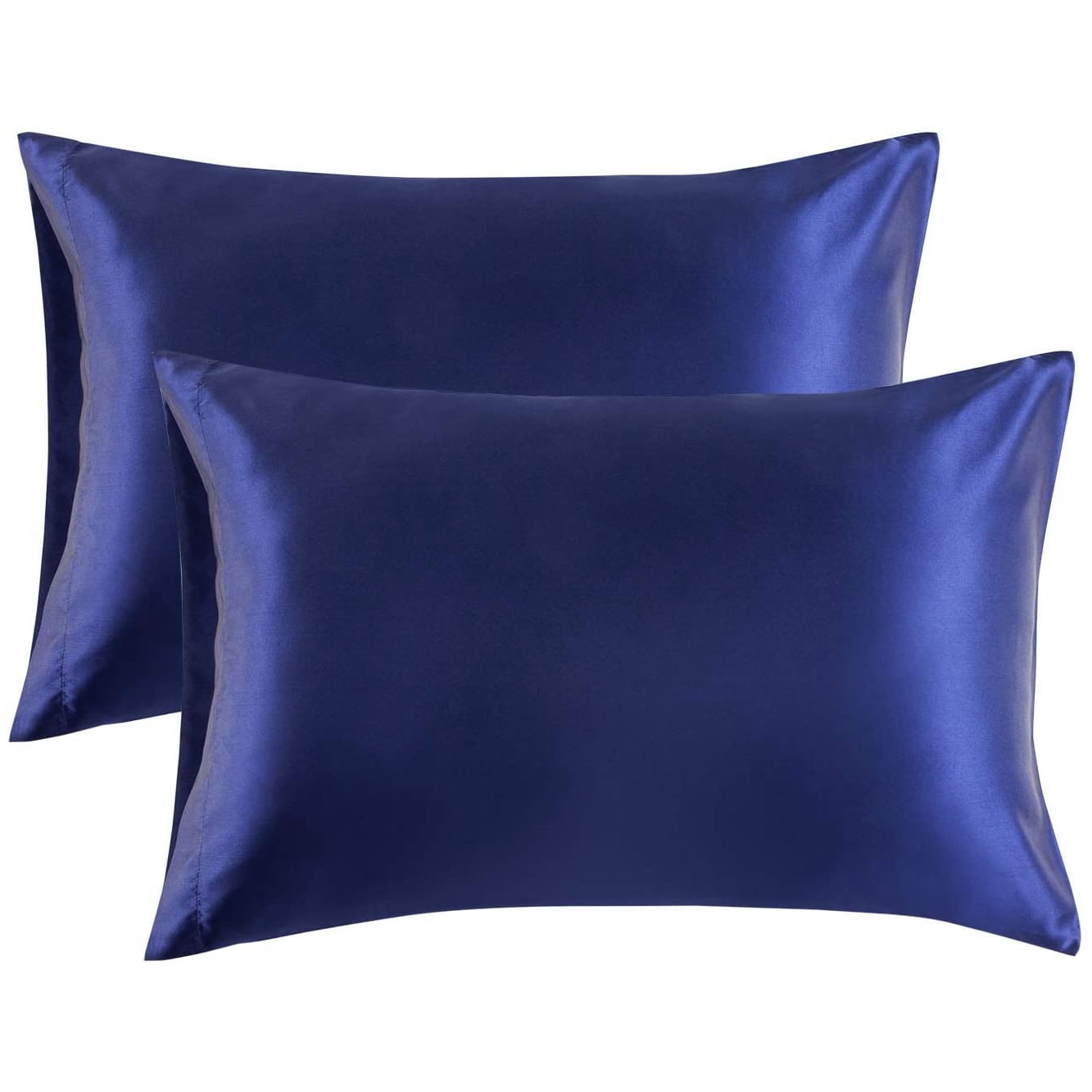
If you’re curious, you can check out my Aquis microfiber hair towel and Vital Proteins collagen reviews. “Since silk does not react well with high temperatures, wash with cold water and air dry to ensure the longevity of your pillowcase,” Taylor adds. These pillowcases may be too small if you have queen or king pillows.
Satin pillowcases, particularly those made from synthetic fibers, may not be as durable as other fabrics like cotton. Also, satin pillowcases don’t provide as many places for bacteria and dust mites to hide compared to rougher fabrics. The tightly woven surface of satin pillowcases makes it difficult for dust, pollen, and other allergens to become trapped in the fabric. But satin’s soft and smooth texture minimizes friction to prevent these issues and keep your skin comfortable. Satin has a smooth, tightly woven surface that allows it to repel moisture, making it less absorbent than fabrics like cotton. The only drawback to satin pillowcases is that they might not be ideal for hot nights for some people.
No matter what you seek or your individual needs and concerns, Allure wants to ensure that you love anything we recommend in our stories. We believe that having a diverse team of writers and editors — in addition to the wide range of outside testers and industry experts we regularly call upon — is essential to reaching that goal. “The difference is that silk is a natural fabric made from the cocoons of silkworms, while satin is created by weaving together synthetic fibers, like polyester,” Dr. Gonzalez says. I found an affordable satin version (less than $20!) that delivers similar results to silk pillowcases, which can cost $100 or more. While satin might look like silk, they're not exactly one in the same. Satin used to be made from silk; however, today, it's often created with a blend of cotton and synthetic fibers like polyester and rayon.
In the end, unless you have allergies, satin pillowcases should give you the same frizz-free hair and crease-free face when you get up. If your hair is fine, dry, or prone to tangling, the silkiness of a satin pillowcase means no more waking up and looking like a matted Yorkie. Satin is a type of weave and can be made from a few different fibers. (Fibers are the threads that make up materials.) You can find satin weaves made from silk, rayon, polyester, and blends.


No comments:
Post a Comment